Food is medicine. This ancient wisdom is increasingly validated by modern oncology research. What you eat has a measurable impact on your cancer risk, your ability to tolerate treatment, and the speed and completeness of your recovery.
Diet and Cancer Risk — The Evidence
The link between diet and cancer is well-established. The World Cancer Research Fund estimates that approximately 30–35% of cancer deaths are diet-related. Diets high in processed meats, refined sugars, trans fats, and alcohol are associated with significantly elevated cancer risk. Conversely, diets rich in vegetables, fruits, legumes, whole grains, and lean proteins — particularly those following Mediterranean or plant-based patterns — are consistently associated with reduced cancer incidence across multiple cancer types.
Foods That Fight Cancer
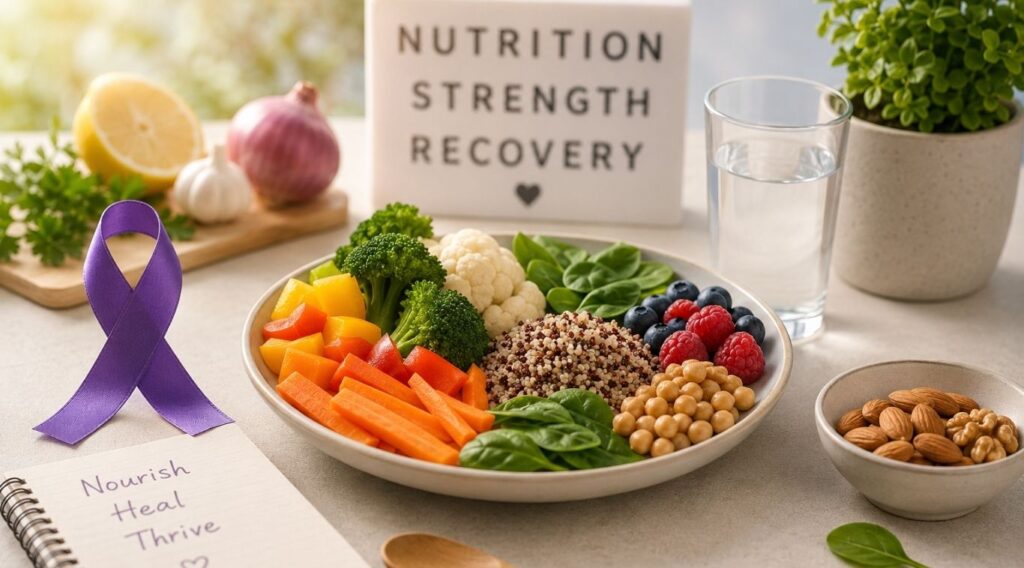
Cruciferous vegetables (broccoli, cauliflower, Brussels sprouts) contain glucosinolates, which the body converts into cancer-fighting compounds. Berries are packed with antioxidants that neutralise free radicals. Turmeric contains curcumin, a compound with demonstrated anti-inflammatory and anti-cancer properties. Garlic and onions contain allicin and organosulfur compounds linked to reduced risk of colorectal and stomach cancers. Green tea is rich in epigallocatechin gallate (EGCG), a powerful polyphenol studied for its anti-cancer potential. A varied, colourful plant-rich diet provides a broad spectrum of protective compounds.
Nutrition During Cancer Treatment
Cancer treatment — whether chemotherapy, radiation, or surgery — profoundly affects the body’s nutritional needs and its ability to absorb nutrients. Common challenges include nausea and vomiting, taste changes, mucositis (mouth sores), loss of appetite, weight loss, and fatigue. A specialised onco-nutritionist works to maintain adequate caloric and protein intake during treatment, which directly supports immune function, reduces infection risk, maintains muscle mass, and improves the body’s ability to tolerate and respond to therapy.
Nutrition for Cancer Survivors
The end of active cancer treatment is not the end of nutritional care — it is the beginning of a new phase. Survivors face unique nutritional challenges, including long-term treatment side effects, elevated risk of recurrence, metabolic changes, and the psychological relationship with food during and after illness. A survivorship nutrition plan addresses weight management, bone health (particularly after hormone therapies), cardiovascular health, and the dietary patterns shown to reduce recurrence risk in breast, colorectal, and other cancers.
Onco-Nutrition at Cancer Conscious Clinics
Our certified onco-nutritionists create highly individualised nutrition plans based on your cancer type, treatment protocol, current nutritional status, cultural food preferences, and recovery goals. We do not offer generic healthy eating advice. We offer evidence-based, oncology-specific nutritional medicine — calibrated to your body and your journey. Consultations are available both in-clinic and online.
A patient’s nutritional status at the start of chemotherapy is one of the strongest predictors of treatment tolerance and outcome.
Practical Tips for You
- Fill half your plate with colourful vegetables and fruits at every meal.
- Choose whole grains over refined carbohydrates.
- Limit processed meats and red meat to reduce colorectal cancer risk.
- Stay hydrated — aim for 8–10 glasses of water daily during treatment.
- Work with an onco-nutritionist, not a general dietician, during cancer care.
Ready to take your next step?
Book a consultation | Take your free Cancer Risk Assessment | Join our Cancer Wellness Community
cancerconsciousclinic.com | +91 7075946029 | Hitech City, Hyderabad, India